Headphone selection
Choose Your Headphones
There is no best pair, only the best pair for your bus seat, your desk, your morning run. Start with where you listen and the choice gets much simpler.
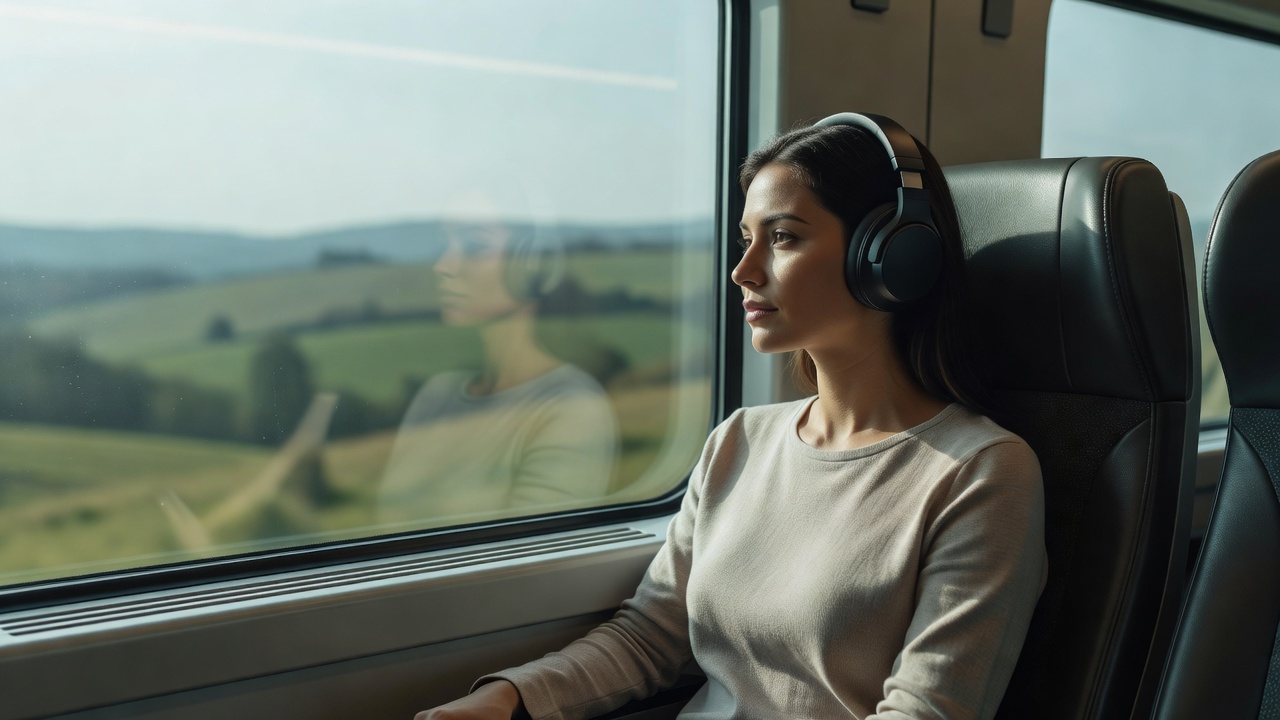
There is no best pair, only the best pair for your bus seat, your desk, your morning run. Start with where you listen and the choice gets much simpler.
When Sony launched the Walkman TPS-L2 in 1979, it came with lightweight foam headphones and, famously, two headphone sockets so you could share a cassette with a friend. Personal listening has always been about moving through daily life. That is still the best starting point today. Write down the three places you listen most and how long you spend in each. A two-hour train ride, a twenty-minute walk and an afternoon of video calls call for very different things.
Then think about what you need from your surroundings. On a platform, you may want to block rumble. On a road without pavements, you need to hear cars. In an open-plan office, you may want people to see you are busy but still be able to tap your shoulder.
| Type | Strong at | Trade-off | Often suits |
|---|---|---|---|
| In-ear earbuds | Portability, isolation when tips fit well | Fit varies; some find long sessions tiring | Commutes, gym bags, travel |
| Closed-back over-ear | Isolation, comfort for long sessions | Bulky, can feel warm in summer | Trains, flights, shared homes |
| Open-back over-ear | Spacious, natural sound | Leaks sound both ways, little isolation | Quiet rooms at home |
| On-ear | Light and compact | Pressure on the ears for some people | Short walks, casual listening |
| Bone conduction / open-ear | Keeps ears free to hear traffic and voices | Less bass, sound fades in noisy places | Walking routes, cycling commutes |
| Feature | What it does | Consider |
|---|---|---|
| Active noise cancelling | Reduces steady low noise like engines and air conditioning | Less effective on sudden sounds; drains battery |
| Transparency mode | Lets outside sound in through microphones | Handy for announcements and quick chats |
| Bluetooth LE Audio (LC3) | Newer standard designed for efficient wireless audio and sharing | Both phone and headphones need support |
| Water resistance (e.g. IPX4) | Protects against splashes and sweat | Useful for rainy walks and workouts |
| Wired connection | No charging, no pairing | Many phones need an adapter |

An earbud that does not seal properly loses bass and lets noise in, so it may tempt you to turn it up. Try every size of tip in the box; many people need a different size for each ear. For over-ear models, check that the cushions surround your ears rather than pressing on them, and wear them for at least half an hour before deciding.
Hearing damage from loud sound builds slowly and is permanent. The World Health Organization's Make Listening Safe initiative, together with the WHO-ITU H.870 standard published in 2019, frames safe listening as a weekly sound allowance: the louder you listen, the less time you can safely spend at that level.
A popular rule of thumb is around 60% volume for about 60 minutes at a time, then a break. Noise cancelling can help here, because when the train is quieter you naturally choose a lower volume. Many phones also offer headphone volume limits and weekly exposure summaries.
Once your ears are sorted, the fun part begins: finding new things to hear. Head over to discovery for some trails worth following.
Follow the next track