Ambient listening spaces
Give Listening a Place
Rooms are part of the band. Hard floors brighten, soft chairs soothe, corners boom. With a few small moves you can make the space you already have sound more like you.
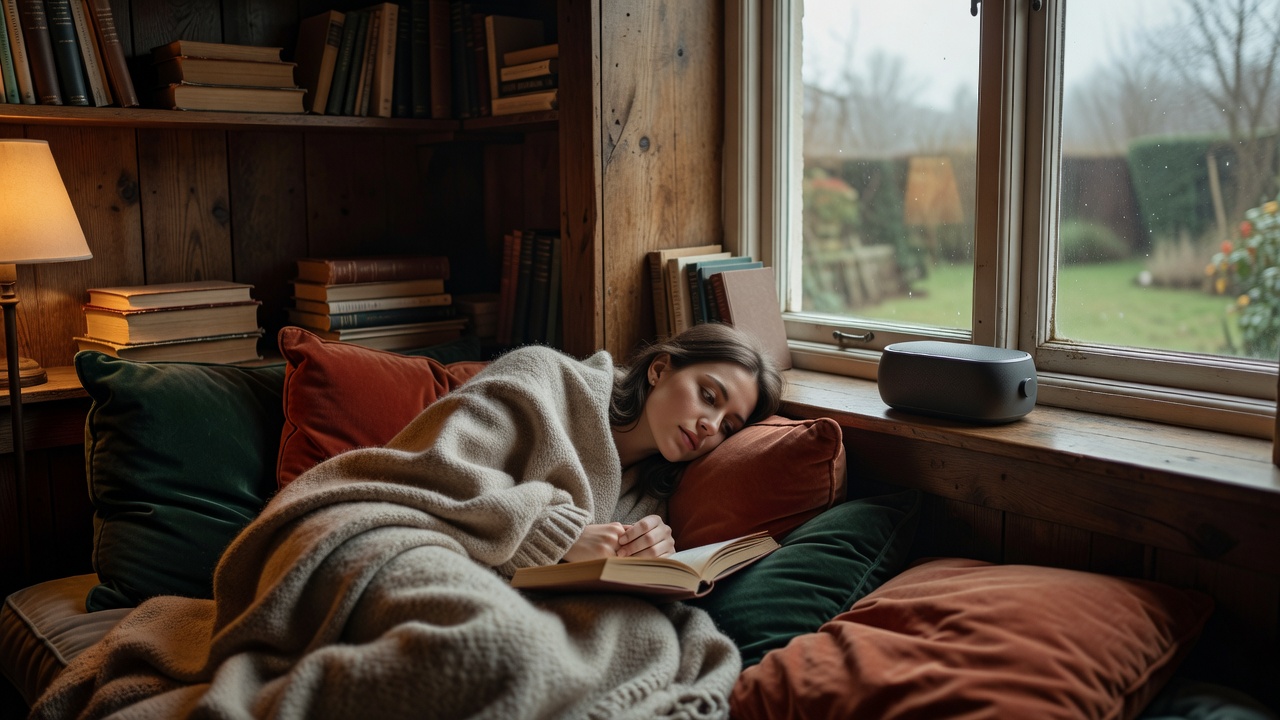
Rooms are part of the band. Hard floors brighten, soft chairs soothe, corners boom. With a few small moves you can make the space you already have sound more like you.
In 1978 Brian Eno released Ambient 1: Music for Airports and wrote in the sleeve notes that ambient music should be "as ignorable as it is interesting". It is a generous idea. Sound in a home does not always have to be the main event. Sometimes it is simply the warm light of the ear, there when you notice it and easy to drift away from.
A year earlier, the Canadian composer R. Murray Schafer published The Tuning of the World, which popularised the word "soundscape". He encouraged people to listen to their surroundings as a kind of composition: the fridge, the rain, the neighbour's piano practice. Put these two ideas together and you have a useful approach for your own rooms. Notice what is already sounding, then add music that works with it rather than against it.
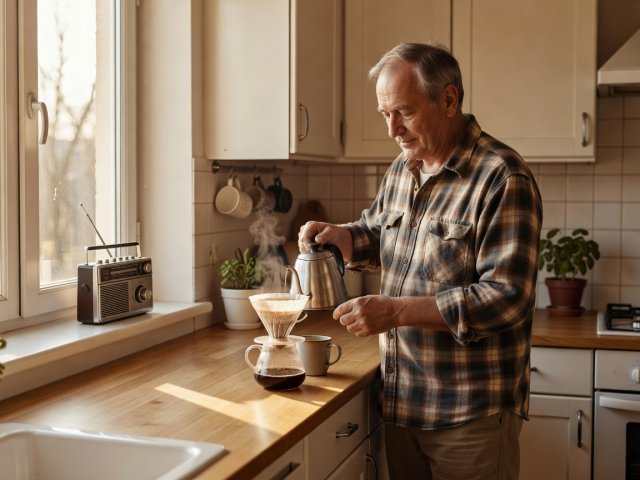
Before buying anything new, move what you have. Speakers pushed into corners produce more bass, sometimes too much. Speakers at floor level fire sound at your ankles. A shelf at roughly ear height, a little away from the wall, often makes an inexpensive speaker sound noticeably clearer. Spend ten minutes trying three positions with one familiar song.
Rooms with bare floors and glass can make even quiet music feel tiring. You do not need acoustic panels to tame that. Rugs, bookshelves full of uneven books, heavy curtains and upholstered chairs all scatter and absorb reflections. The Japanese jazz kissa, small cafés devoted to careful listening that flourished from the mid-twentieth century, are famous for exactly this: wooden walls, stacks of records and soft seating that make the room feel close and calm.
Borrow the spirit, not the budget. A throw on the sofa, a plant in the corner and a speaker that is not jammed against a window can change the mood more than you might expect.
Listening spaces are social. In a flat with housemates or a family home, one person's background music is another person's distraction. Agree simple rhythms: music in the kitchen during cooking, quiet in the living room after nine, headphones for anything late. Some households keep a shared "kitchen playlist" that anyone can add to, which turns disagreement into a small, ongoing conversation.
Neighbours matter too. Bass travels through floors and walls more easily than higher sounds, so lowering bass or moving a speaker off a shared wall is a kind gesture.
If you have the room, give listening one dedicated spot: a chair, a lamp, a speaker or headphone hook, and nothing that needs answering. Sitting there becomes a signal to yourself that this is time to hear, not multitask. Even fifteen minutes with one album, start to finish, can feel like a small holiday.
Ready to take the sound with you? Read our guide to choosing headphones for the places you go.
Choose your headphones